The colours, and what they carry
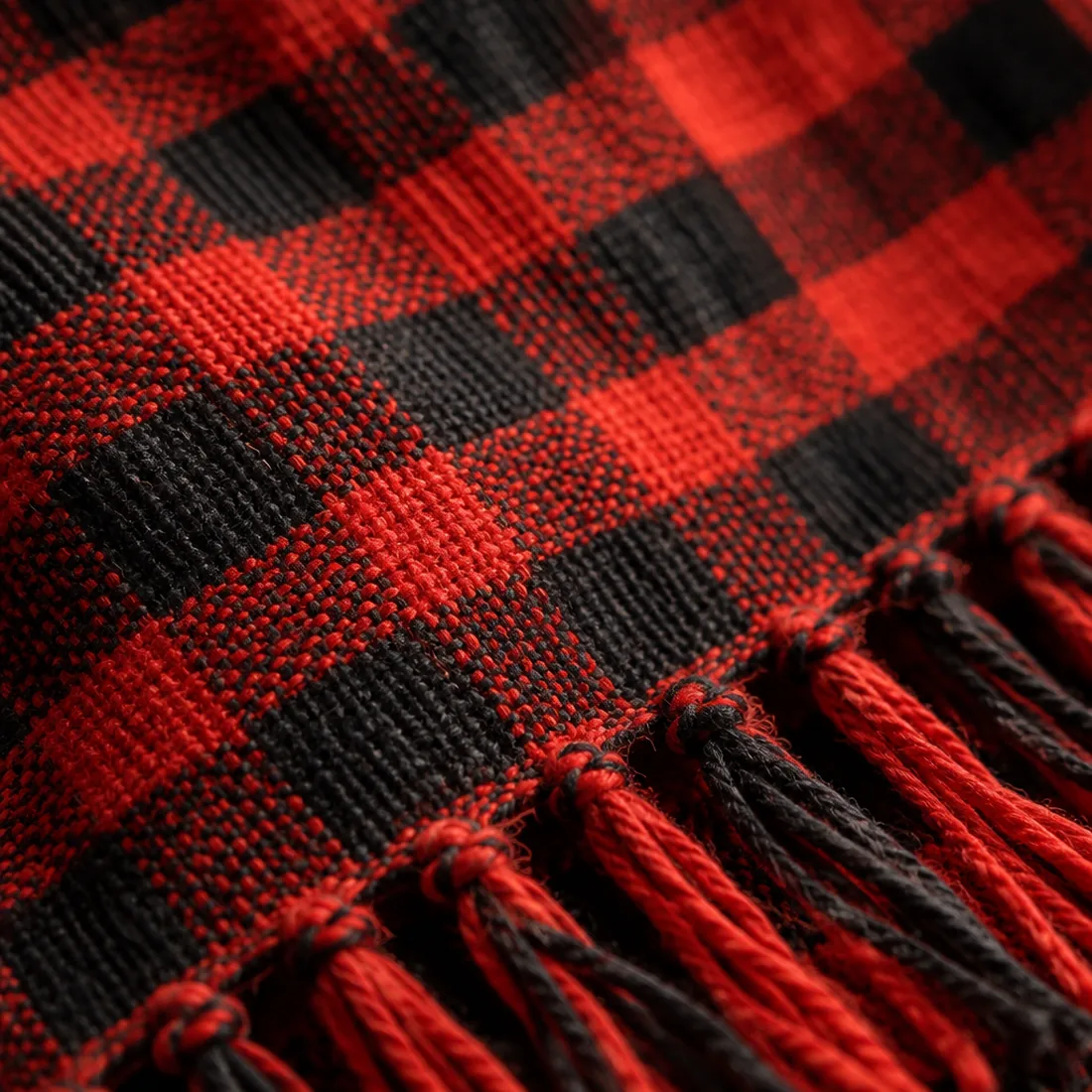
Red stands for bravery, unity and blood, and is the colour most tied to Maasai identity — it is what the warriors wear. Blue is energy and the sky, and with it the rain that keeps people and cattle alive. Black is sacred, associated with protection. White is blessing, peace and health, tied to the milk of the cattle. Green is pasture and grass, and so health and land. Orange and yellow stand for the sun and for hospitality — the calabash offered to a visitor who arrives.
None of that stops you choosing a shuka because you like how it looks. It only means the thing you are wearing already meant something before you got to it.
How it is worn
Over one shoulder and knotted. Around both shoulders like a cape. Wrapped at the waist. Doubled over a bed, thrown across a chair. There is no single correct method and nobody is checking.
Caring for it
Cold hand wash, on its own the first time — strong colours can run at first. Dry in shade rather than direct sun, which fades the dye. A warm iron if you want it crisp. It will soften with use; that is the cloth improving, not wearing out.
Where ours come from
Bought in Kenya, checked by hand in Nakuru, posted from there. [Weave method, fibre content and supplier detail to be confirmed before this page goes live.]